Skincare in India isn’t a niche anymore. It’s one of the fastest-growing categories inside the broader pharma business, and the derma PCD franchise model is exactly where that growth is landing for entrepreneurs with limited capital and a lot of ambition. If you’ve been circling the idea of starting a pharma-linked skincare business but weren’t sure where to begin, this is the guide that actually walks through it.
We’ll cover what a derma PCD franchise really involves, how to start one, what it costs, and why Greek Derma — a WHO-GMP dermatology company based in Panchkula — has built the kind of portfolio and support system that makes this decision easier for first-time partners.
What Is a Derma PCD Franchise Company?
A PCD pharma franchise, in its basic form, is a business arrangement where a company grants you the rights to market and sell its products within a defined territory, under its brand name. Add “derma” to that, and you’re specifically working with skincare, haircare, and dermatology formulations — creams, lotions, face washes, serums, ointments, and increasingly, cosmetic and baby care lines.
What makes this category distinct from general pharma PCD is the buyer behavior. Dermatology products move through two channels at once — dermatologist prescriptions for medicated creams and ointments, and direct retail for cosmetic items like face wash, sunscreen, and hair serum. That dual pathway means a derma PCD franchise partner isn’t purely dependent on doctor visits the way a general pharma partner is; retail counter sales through pharmacies and beauty stores add a second, steadier revenue stream.
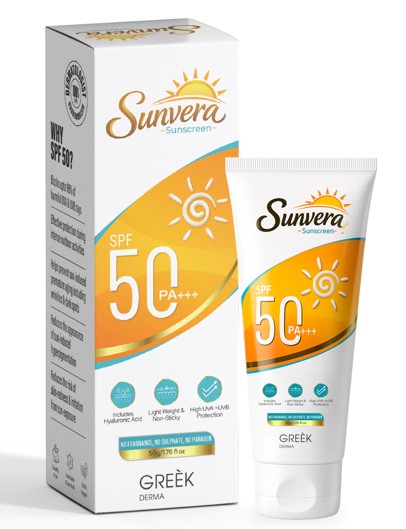
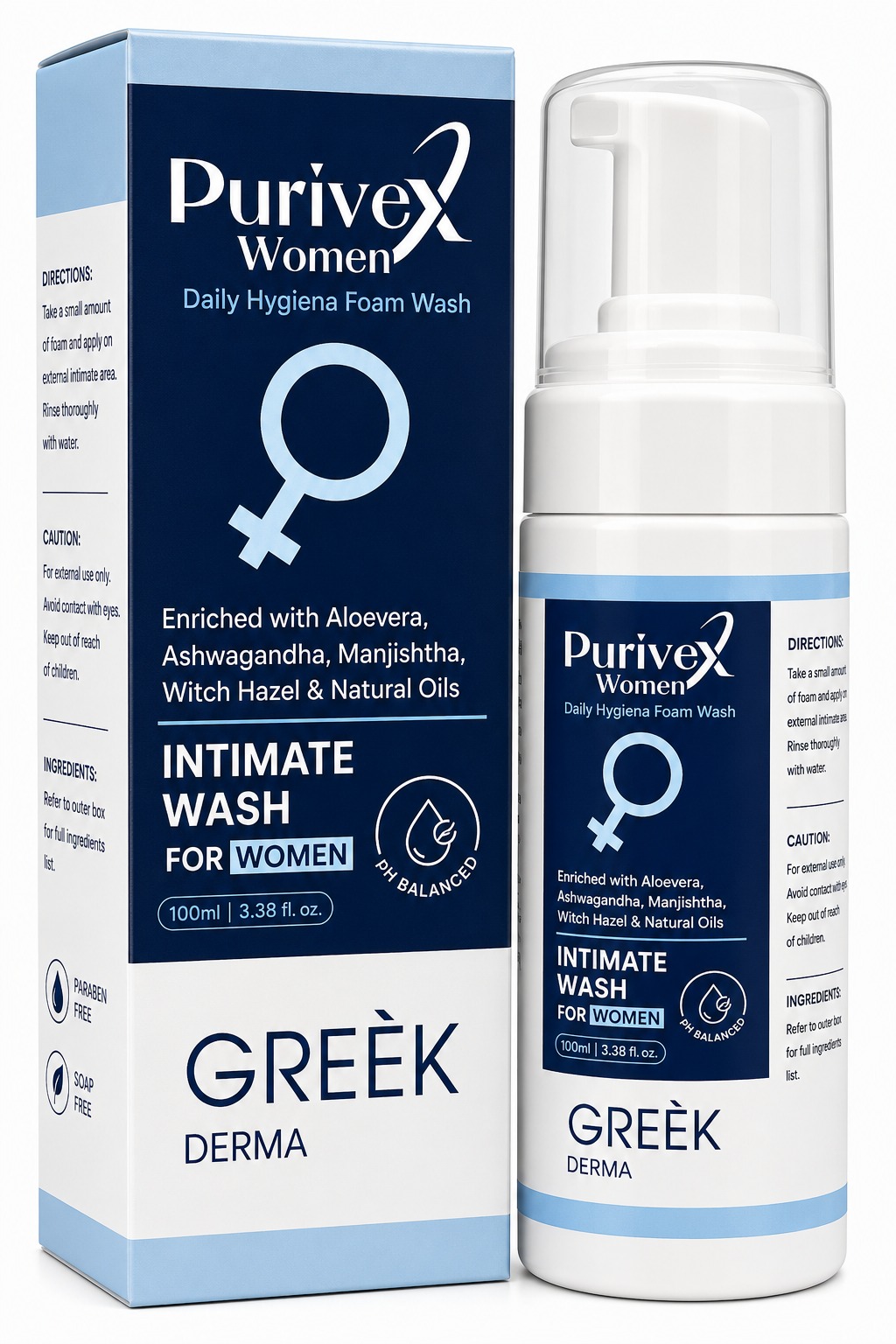
Greek Derma’s own range reflects this breadth well. Beyond medicated creams and ointments, the portfolio spans face wash, sunscreen, hair serum, lotion, tablets, and a dedicated baby care line — enough range for a partner to build a franchise that serves dermatologists and everyday retail customers under the same brand.
How to Start a Derma PCD Franchise: Step by Step
Here’s the actual sequence, without the padding you usually get on these guides.
Step 1: Get your license paperwork moving early. A Drug License (retail and/or wholesale) is required for prescription-linked products like medicated creams and tablets. Cosmetic-only items sometimes fall under different, lighter regulatory requirements, so confirm this with your chosen company before assuming you need the full pharma license setup.
Step 2: Study your local market before picking a range. Is your territory closer to a college town with strong demand for face wash and cosmetic skincare? Or does it lean toward dermatology clinics needing medicated ointments? The answer changes which part of a derma company’s catalogue you should lead with.
Step 3: Compare companies on certification and range, not just price. WHO-GMP certification, ISO 9001:2015, and a genuinely wide product range across both medicated and cosmetic categories separate serious derma companies from ones that will leave you stuck reordering the same five SKUs for a year.
Step 4: Get monopoly and territory terms in writing. Verbal promises about exclusive rights mean nothing during a dispute. The agreement should name your exact territory and what happens if the company wants to modify it later.
Step 5: Order your starter range and start building both channels. Visit dermatologists directly for medicated products, and get your cosmetic range placed in local pharmacies and beauty counters simultaneously. Running both channels from day one is what makes derma PCD faster to ramp up than single-channel pharma categories.
Step 6: Track what’s actually moving and reorder accordingly. Skincare trends shift faster than general pharma — a sunscreen that sells well in summer needs a different reorder rhythm than a year-round medicated cream. Stay responsive to that instead of ordering on a fixed schedule regardless of season.
Choosing the Best Derma PCD Franchise Company
Not every derma PCD franchise company deserves your capital, even when their catalogues look similar on paper. Here’s what actually separates a good one.
Certifications come first. WHO-GMP manufacturing and ISO 9001:2015 quality management aren’t optional extras — they’re what a dermatologist checks before trusting a new brand with their patients’ skin. Greek Derma’s products are manufactured under these standards, giving partners documentation they can hand over without hesitation when a doctor or retailer asks.
Range diversity matters more in derma than in most pharma categories, because customer needs shift by season and by demographic. A company offering only medicated creams limits you to the prescription channel alone. Greek Derma’s spread across shampoo, soap, oil, and baby care alongside medicated formulations means a partner can build a genuinely diversified business instead of one narrow product line.
Support quality is the third pillar. Ask directly what promotional material is provided — visual aids, MR bags, sample kits, product brochures — and how responsive the team is to partner queries. A derma company juggling seasonal product shifts (sunscreen demand spikes, winter lotion demand, monsoon skincare concerns) needs to be genuinely responsive, not just during the sales pitch but through the actual partnership.
Monopoly PCD Pharma Franchise Rights in the Derma Category
Monopoly rights work the same way in derma as they do across pharma broadly, but they carry extra weight here because of how visible skincare brands are at the retail counter. A monopoly PCD pharma franchise gives you exclusive selling rights within a defined territory — no other partner from the same company competes with you for the same pharmacy shelf space or the same dermatologist’s prescription pad.
Greek Derma structures its franchise offering around monopoly-based territory rights, meaning a partner isn’t fighting their own brand’s other sellers within the same district. Before signing, confirm the exact boundary and duration in writing, and clarify what happens if the company wants to adjust territory later as the brand expands into new regions.
The retail visibility angle is worth flagging specifically for derma: because cosmetic products sit on open shelves (unlike prescription-only medicines), monopoly enforcement sometimes needs slightly more attention from partners themselves — noticing if the same product shows up in a neighboring pharmacy outside your territory, and flagging it to the company early rather than after it’s become a pattern.
Skincare PCD Franchise: Why the Category Keeps Growing
Skincare demand in India has genuinely shifted over the past several years — not just in metros, but increasingly in tier-2 and tier-3 towns where awareness around sun protection, acne treatment, and general skin health has grown alongside social media exposure and rising disposable income.
This is exactly why a skincare PCD franchise sits in an interesting spot compared to more traditional pharma categories. Products like sunscreen and face wash sell through pure retail demand, independent of any doctor’s prescription, which means a partner isn’t limited to how many clinics they can visit in a week. Add cosmetic counter placements and beauty store partnerships to the mix, and the addressable market expands well beyond the standard pharma sales motion.
Hair care follows a similar pattern. Greek Derma’s hair serum range taps into a category that’s grown significantly on its own, driven by hair fall concerns and grooming awareness among both men and women — a segment that barely existed in mainstream pharma franchise catalogues a decade ago.
WHO-GMP Derma Products and DCGI Approved Dermatology Products: Why It Matters
Certification questions come up constantly with new partners, and they deserve a straight answer. WHO-GMP (Good Manufacturing Practices) confirms a facility meets international hygiene and quality benchmarks. For medicated dermatology products — creams and ointments containing active pharmaceutical ingredients — DCGI approval confirms the formulation has cleared India’s regulatory requirements for legal sale.
This distinction matters practically. Cosmetic-only products (plain moisturizers, basic face wash) generally fall under cosmetic regulations rather than full drug approval, while medicated formulations — anything treating a specific skin condition, containing active ingredients like betamethasone or clindamycin — need DCGI clearance. Greek Derma’s medicated range, including products like its clindamycin and betamethasone-based creams, is manufactured to meet these pharma-grade standards, which matters when a dermatologist asks for documentation before prescribing regularly.
Skipping this distinction isn’t just a technicality. A partner selling medicated dermatology products without proper certification backing risks their own drug license and, more immediately, loses credibility with any dermatologist who actually checks. Confirm certification copies before signing with any derma franchise company, not after your first order arrives.
Low Investment PCD Pharma Franchise: What a Derma Business Actually Costs
Real numbers, not vague brochure ranges.
Most partners start a low investment PCD pharma franchise in derma with somewhere between ₹40,000 and ₹1 lakh, covering the initial stock order across a mix of medicated and cosmetic products. This tends to run slightly lower than some general pharma categories, since cosmetic-line MOQs are often smaller and per-unit costs more manageable for a new partner testing the waters.
Add your drug license fee if you’re carrying medicated products (₹3,000-₹10,000 depending on the state), basic promotional material (frequently subsidized by the franchisor), and two to three months of working capital before repeat orders stabilize your cash flow. All-in, a realistic starting budget for a derma PCD franchise sits between ₹50,000 and ₹1.2 lakh for most partners.
Where derma differs from general pharma in the investment conversation: the retail-cosmetic channel often starts generating cash faster than the pure prescription-based categories, since a face wash or sunscreen sale at a pharmacy counter doesn’t require weeks of doctor relationship-building the way a prescription-based product does.
PCD Pharma Franchise Investment: What Returns Look Like Over a Year
Month one and two are setup — sourcing your starter stock, placing products with local pharmacies, and starting dermatologist visits for the medicated range. This period rarely shows strong returns, and that’s normal across every franchise model, not a sign something’s wrong.
Months three through six are where the dual-channel advantage of derma really shows up. Retail cosmetic sales typically pick up faster than prescription-driven sales, since pharmacy placement doesn’t need the same relationship-building timeline as convincing a dermatologist to prescribe regularly. Partners running a mixed medicated-and-cosmetic range often see monthly turnover cross ₹1-1.5 lakh by month six, split between both channels.
Margins in derma PCD typically run 25-40%, with cosmetic and retail-driven products often sitting toward the higher end because of lower manufacturing complexity compared to specialized medicated formulations. The consistent pattern among partners who do well: they don’t rely on one channel alone. Balancing prescription-based medicated products with retail cosmetic placements tends to produce steadier month-to-month revenue than betting everything on either side.
PCD Franchise for Cosmetics and Baby Care: An Often-Overlooked Growth Path
Baby care doesn’t get discussed enough in franchise conversations, but it’s one of the more resilient categories a partner can add. Parents are consistently willing to spend on baby skincare regardless of broader economic conditions, and once a family trusts a baby lotion or nappy rash cream brand, repeat purchases tend to continue for years as siblings arrive.
Greek Derma’s baby care range — including formulations built around ingredients like almond oil, neem, and aloe vera — gives partners a category that sells through both pediatric clinic recommendations and direct retail, similar to the dual-channel pattern seen across the broader skincare range. For a partner already running a general derma franchise, adding baby care is often a low-friction way to diversify without negotiating an entirely separate franchise relationship.
Cosmetic products more broadly — soap, hair care, lotion — follow the same retail-first logic. A partner building relationships with local beauty stores and pharmacies alongside dermatologist visits creates a business that doesn’t rise or fall purely on doctor relationships, which is a meaningfully different risk profile compared to single-channel pharma categories.
Documents and Legal Requirements Before You Sign
Paperwork gets skipped or rushed more often than it should, and that’s usually where delays start. Here’s the real checklist for a derma PCD franchise.
If you’re carrying medicated formulations, a valid Drug License (retail and/or wholesale) from your state’s Drug Control Department is required, along with a registered pharmacist on record. Cosmetic-only lines may have lighter requirements, but confirm this directly with your franchisor rather than assuming.
GST registration is essentially mandatory for regular invoicing, and most franchise companies need your GSTIN on file before processing orders. Keep your PAN card, address proof, and a cancelled cheque ready too — these typically come up at the agreement stage.
Read the franchise agreement carefully. Check that your territory boundary is named explicitly, confirm the minimum order requirement per month or quarter, and look for a clear exit clause covering notice periods. A company confident in its partnership terms won’t hesitate to put all of this in writing rather than keeping things loosely worded.
Keep a running file of your license copies, GST certificate, and every invoice from your franchisor. Dermatologists occasionally request documentation before prescribing a new brand regularly, and having it ready builds credibility fast.
Common Mistakes New Derma Franchise Partners Make
A few patterns repeat often enough among struggling partners that they’re worth naming directly.
Focusing entirely on one channel is the most common mistake in this specific category. Partners who chase only dermatologist prescriptions, ignoring the retail-cosmetic side, leave real revenue on the table — and the reverse is just as true. The partners who do best treat both channels as equally important from day one, not as an either-or decision.
Underestimating seasonal shifts is another. Sunscreen demand spikes in summer, moisturizers and lotions pick up in winter, and partners who order a flat, unchanging quantity month to month end up either overstocked or scrambling to reorder at the wrong time. Pay attention to what’s actually moving and adjust orders accordingly.
Skipping certification checks before signing is a mistake that surfaces later, usually when a dermatologist asks for documentation a partner doesn’t have on hand. Confirm WHO-GMP and DCGI status for medicated products before committing capital, not after your first order ships.
And treating promotional material as sufficient on its own is a trap that applies here just as much as general pharma. Visual aids and sample kits help open a conversation, but building actual trust with dermatologists and retail counter staff takes consistent, in-person follow-up.
The Growing Derma and Skincare Market in India
Dermatology and skincare demand in India has moved well beyond metro cities over the past several years. Tier-2 and tier-3 towns are seeing rising awareness around sun protection, acne treatment, and general skin health, driven partly by social media exposure and partly by genuinely improving access to dermatologists outside major cities.
This shift matters directly for franchise partners, because it means the addressable market for a derma PCD franchise keeps expanding into territories that were underserved even five years ago. A partner entering a smaller town today often faces far less competition per pharmacy or per dermatologist than someone starting the same business in a saturated metro market.
The partner profile entering this category has also broadened. It’s not just pharma professionals anymore — people from retail and beauty backgrounds are increasingly drawn to derma PCD franchises specifically because of the retail-cosmetic revenue channel, which feels more familiar to them than a purely prescription-driven pharma business. Companies that keep earning long-term loyalty from these partners are the ones supporting both sides of that dual-channel business genuinely, not just the prescription half.
Real Partner Examples From the Field
Case 1 — Medicated cream range, Punjab. A partner started with a ₹75,000 initial order focused on medicated creams and ointments, building relationships with eight dermatologists across a two-district territory. Prescription-driven sales grew slowly for the first three months, but by month six, monthly turnover crossed ₹1.3 lakh as repeat prescriptions from established dermatologist relationships compounded.
Case 2 — Cosmetic and skincare mix, Haryana. Starting investment of around ₹55,000 split between face wash, sunscreen, and lotion products, placed across fifteen local pharmacies and two beauty stores. Retail sales built faster than a prescription-only model would — turnover reached ₹95,000 by month three, and crossed ₹1.6 lakh by month seven as seasonal sunscreen demand picked up.
Case 3 — Baby care and hair serum combo, Rajasthan. A first-time entrepreneur entered with a ₹60,000 order combining baby care products with hair serum, targeting pediatric clinics and salons simultaneously. The dual-channel approach paid off — monthly sales hit ₹1.2 lakh within five months, with baby care providing steady recurring orders from established parent customers and hair serum driving newer retail growth through salon partnerships.
These reflect typical, consistent execution across real franchise partners building a derma business over their first several months.
Frequently Asked Questions
1. What is the minimum investment to start a derma PCD franchise with Greek Derma? Most partners start between ₹50,000 and ₹1.2 lakh, covering an initial mix of medicated and cosmetic stock along with basic promotional setup.
2. Are Greek Derma’s products WHO-GMP and DCGI certified? Yes, Greek Derma’s medicated dermatology formulations follow WHO-GMP manufacturing standards, with DCGI-approved active ingredients where applicable.
3. Does Greek Derma offer monopoly rights? Yes, monopoly-based franchise opportunities are offered across selected territories, with exact boundaries defined in the partnership agreement.
4. What product categories does Greek Derma cover? Creams, lotions, face wash, sunscreen, hair serum, shampoo, soap, ointments, tablets, and a dedicated baby care range.
5. Do I need a drug license for cosmetic-only products? Generally no, though medicated formulations containing active pharmaceutical ingredients do require proper drug licensing. Confirm specifics with the franchisor for your exact product mix.
6. How is derma PCD different from general pharma PCD franchise? Derma products sell through both dermatologist prescriptions and direct retail, giving partners two revenue channels instead of relying solely on doctor relationships.
7. Which derma products generate faster returns — medicated or cosmetic? Cosmetic and retail-driven products (sunscreen, face wash) often generate cash faster since they don’t need the same relationship-building timeline as prescription-based products.
8. What promotional support does Greek Derma provide? Visual aids, MR bags, sample kits, and product brochures are standard, helping partners approach both dermatologists and retail counters professionally.
9. Is baby care a good category to add to a derma franchise? Yes, baby care tends to generate steady recurring demand and works well alongside a general derma or skincare franchise for added diversification.
10. How long before a derma PCD franchise becomes profitable? Most consistent partners see steady returns forming between month three and six, with cosmetic-retail channels often turning positive faster than pure prescription-based lines.
11. Can I run both medicated and cosmetic product lines under one franchise? Yes, and it’s generally recommended — combining both channels tends to produce more stable month-to-month revenue than relying on either alone.
12. What documents are required to start a derma PCD franchise? A Drug License (for medicated products), GST registration, PAN card, and address proof are the core requirements most franchisors ask for.
Building a derma PCD franchise isn’t complicated once you break it into its real components — get your paperwork sorted, pick a range that fits both your local dermatologist base and retail footfall, choose a certified company that actually supports its partners, and run both prescription and retail channels together instead of relying on just one.
If you’re ready to explore a derma PCD franchise with a WHO-GMP certified skincare company built for exactly this kind of dual-channel growth, get in touch with Greek Derma today.