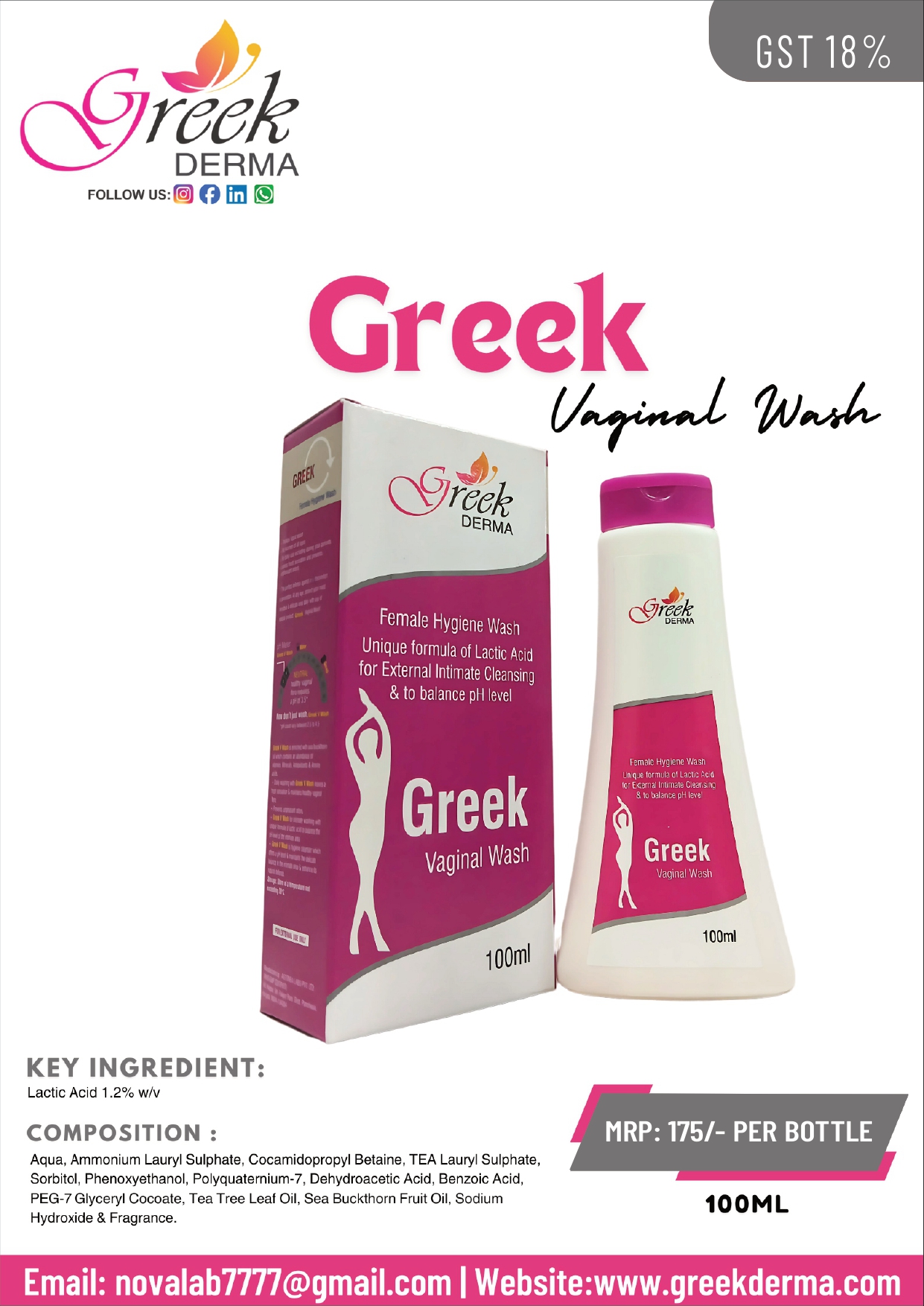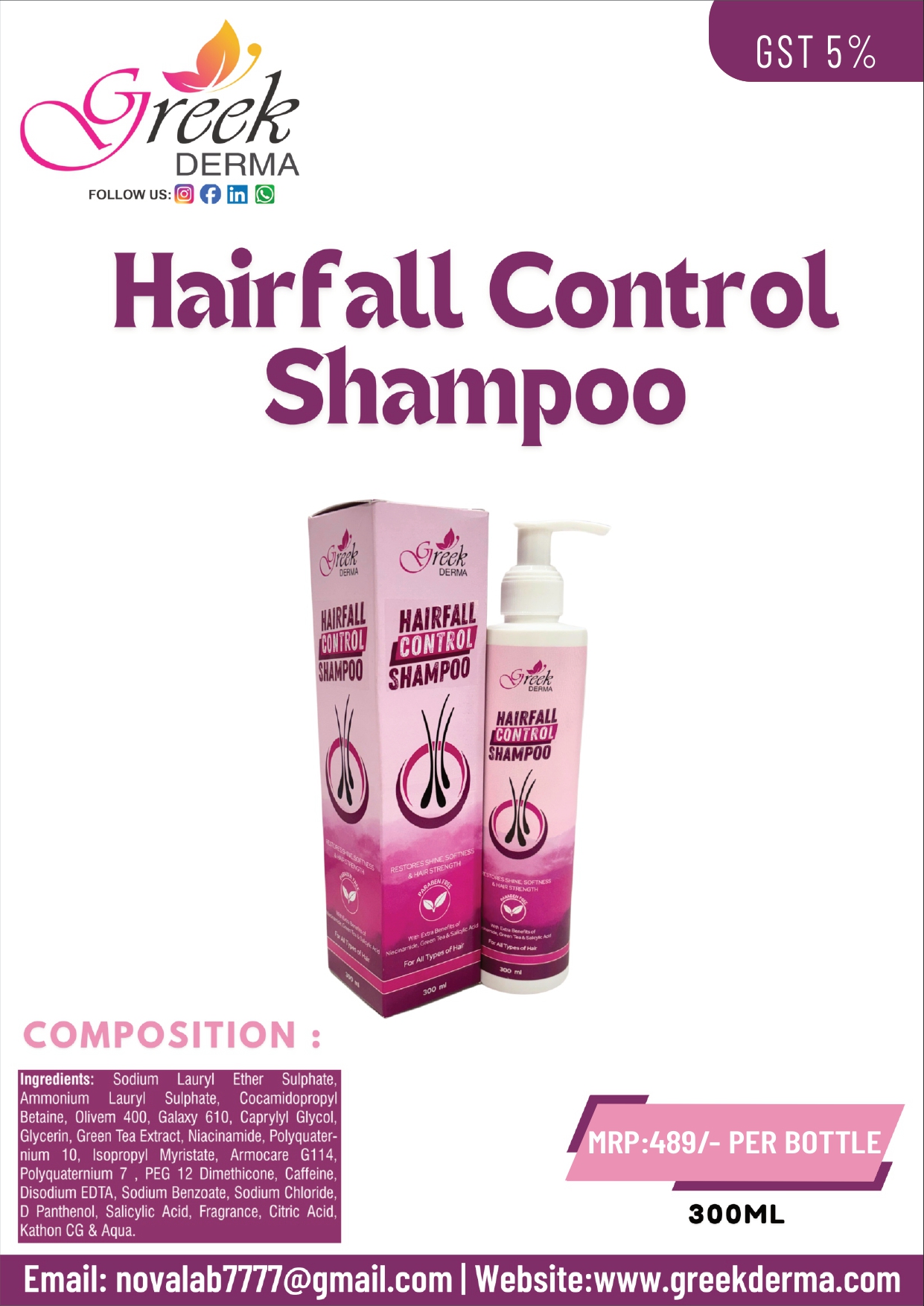
PCD Franchise Opportunities for Skincare — The Complete Guide to Building Your Derma Business in 2026

The Skincare Revolution Is Happening Right Now — And You Can Be Part Of It
The Indian skincare market is on fire.
Women in Tier 2 cities now spend more on skincare than they did five years ago. Men are buying face wash and moisturizers. Parents are investing in baby care products. Dermatologists are prescribing cosmeceuticals. The market isn’t just growing — it’s exploding.
And if you’re not already in the skincare business, you’re watching someone else make money from it.
But here’s the problem: starting a skincare business the traditional way is expensive, risky, and slow.
You need to find suppliers. Negotiate manufacturing. Deal with compliance. Build brand awareness. Establish distribution. Hire sales teams. It could take 2-3 years and cost lakhs before you see a single rupee of profit.
That’s why thousands of entrepreneurs in India have chosen a different path: PCD franchise opportunities for skincare.
This guide explains everything you need to know about starting a skincare PCD franchise — the real numbers, the genuine opportunities, the honest challenges, and exactly how to avoid the franchises that will waste your time and money.
What Is A PCD Franchise For Skincare? (And Why It’s Different From Regular Franchises)
PCD stands for Propaganda Cum Distribution.
It’s a business model where a pharmaceutical or skincare company gives you the right to market and distribute their products in a specific geographic territory.
Here’s how it works:
Step 1: You choose a company and a territory You decide: “I want to be the PCD franchisee for Greek Derma products in Pune” (or Delhi, or Bangalore, or a smaller Tier 2 city).
Step 2: You sign an agreement The company gives you monopoly rights in that territory. Nobody else can sell their products there. You own that market.
Step 3: You get their product range Instead of inventing products, you get access to 50+ ready-made skincare products: face washes, creams, serums, hair products, baby care, etc. All manufactured. All compliant. All ready to sell.
Step 4: You market and distribute Your job is to sell these products to dermatologists, cosmetic clinics, pharmacies, hospitals, and beauty salons in your territory. The company provides marketing support — visual aids, samples, product training, brochures.
Step 5: You make profit You buy products at cost + margin from the company. You sell to distributors or directly to clinics/pharmacies at higher margin. The difference is your profit.
Why Skincare PCD Is Different From Other PCD Franchises
You might be thinking: “Why skincare specifically? What about pharma, nutrition, or pain relief?”
Good question. Skincare PCD is uniquely attractive for three reasons:
1. The Market Is Growing Exponentially
The Indian skincare market is worth ₹15,000+ crores right now and growing 10-12% annually.
Compare that to:
- General pharma: growing 6-7%
- Nutrition: growing 8-9%
- Pain relief: growing 4-5%
Skincare is the fastest-growing segment. Which means more demand, more customers, faster sales.
2. Skincare Products Have Higher Margins
When you sell a paracetamol tablet, the margin is 15-20%.
When you sell a face cream or serum, the margin is 40-50% or higher.
This is because skincare products are consumed by choice, not necessity. People will pay premium prices for effective products. And there’s less price negotiation compared to medicines.
The math:
- Buy a face cream from the company at ₹150
- Sell to a salon at ₹200 (₹50 margin)
- Salon sells to customer at ₹400-500
You make ₹50 on each unit. Sell 100 units per month = ₹5,000 monthly profit just from one product category.
3. Repeat Customers = Predictable Income
Unlike medicines (which you take when sick), skincare is a daily or weekly habit.
A woman who buys your face wash will buy it again and again. Same with hair serums, body lotions, sunscreen. Once a clinic or salon commits to your products, they reorder every month.
This creates predictable, recurring revenue — which is rare in pharma.
The Real Numbers: What You Can Actually Make From A Skincare PCD Franchise
Let’s talk money. Not the inflated numbers on franchise websites. Real numbers.
Initial Investment:
For a small-to-medium skincare PCD territory (a city or region with 2-5 lakh population):
- Security deposit to the company: ₹50,000 – ₹150,000
- Initial stock purchase: ₹200,000 – ₹500,000
- Marketing materials, samples, brochures: ₹20,000 – ₹50,000
- Office/workspace setup: ₹50,000 – ₹200,000 (optional if you work from home)
Total: ₹320,000 – ₹900,000
(Compare this to starting a traditional skincare brand, which costs ₹20-50 lakhs)
Monthly Revenue (Realistic Scenario):
Let’s say you’re based in a Tier 2 city with these customers:
- 5 dermatology clinics
- 3 cosmetic salons
- 2 pharmacies
- 1 hospital
Month 1-2: You’re still building relationships. You might make ₹30,000-50,000 monthly profit.
Month 3-6: Your customers are reordering. You’ve added a few more. Monthly profit: ₹80,000-120,000.
Month 6-12: Word spreads. More clinics call. More salons interested. Monthly profit: ₹150,000-250,000.
Year 2: You’ve stabilized. You have 15+ regular customers reordering every month. Monthly profit: ₹200,000-400,000.
Year 3+: You’ve become the trusted skincare supplier in your city. Monthly profit: ₹400,000-750,000+ (or more if you add team members and expand).
Annual Projection (Mid-Range Scenario):
| Year | Monthly Profit (Avg) | Annual Profit | ROI |
|---|---|---|---|
| 1 | ₹80,000 | ₹9,60,000 | 100-200% |
| 2 | ₹250,000 | ₹30,00,000 | 300%+ |
| 3 | ₹500,000 | ₹60,00,000 | 600%+ |
Important: These are realistic numbers based on successful franchisees in Tier 2 cities. Results vary based on:
- How hard you work
- Your territory size
- Local dermatology market strength
- Your ability to build relationships
- Company support quality
Some franchisees make ₹15-20 lakhs monthly by Year 3. Some make ₹3-5 lakhs. The difference is execution, not luck.
Where The Money Really Comes From: Understanding PCD Margins
Here’s how the profit flows:
Scenario: Face Cream Sale
Company manufactures a face cream at ₹80 per unit.
Company sells to you (franchisee) at ₹120.
- Company margin: ₹40 per unit (33%)
- Your cost: ₹120
You sell to a clinic/salon at ₹180.
- Your margin: ₹60 per unit (50%)
- Clinic cost: ₹180
Clinic sells to end customer at ₹400-500.
- Clinic margin: ₹220-320 per unit (55-80%)
- Customer pays: ₹400-500
Everyone makes money. No one is hurt.
This is why PCD works. Everyone in the chain gets a reasonable margin.
Real Examples: What Actual Skincare PCD Franchisees Are Making
Let me show you some real scenarios (names changed for privacy):
Example 1: Amit In Lucknow (Population ~3 million)
Territory: Lucknow (monopoly rights) Investment: ₹600,000 Timeline: Started January 2024
Month 1-2:
- Visited 20+ dermatology clinics
- Got 3 regular customers
- Monthly profit: ₹35,000
Month 3-6:
- Added beauty salons and cosmetic centers
- 10 regular customers
- Monthly profit: ₹120,000
Month 6-12:
- Expanded to pharmacies
- Word of mouth brought 20+ customers
- Monthly profit: ₹250,000
Current (Month 18):
- 40+ regular customers
- Monthly profit: ₹400,000
- Hired 1 sales executive (cost: ₹15,000/month)
- Net profit: ₹385,000/month
Total profit Year 1: ₹15 lakhs
Total profit Year 2: ₹45 lakhs
Total ROI: 800%+ in 2 years
Example 2: Priya In Indore (Population ~2 million)
Territory: Indore (monopoly rights) Investment: ₹450,000 Timeline: Started July 2024
Month 1-3:
- Focused on medical colleges and teaching hospitals
- Monthly profit: ₹25,000
Month 4-8:
- Expanded to nursing homes and clinics
- Monthly profit: ₹95,000
Current (Month 10):
- 25+ institutional customers
- Monthly profit: ₹180,000
- Building a warehouse
- Planning to add a second team member
Projection by Year 2: ₹350,000+ monthly profit
Example 3: Rahul In Varanasi (Population ~1.3 million)
Territory: Varanasi Investment: ₹350,000 Timeline: Started March 2024
Current Status:
- 15 regular customers
- Monthly profit: ₹160,000
- Working part-time (still has another job)
- Minimal expenses (working from home)
Note: Rahul didn’t push hard initially. But even with part-time effort, he’s making ₹2 lakhs/month profit. If he goes full-time, he’d likely be at ₹4-5 lakhs/month by Year 2.
Why Skincare PCD Works Better In Tier 2/3 Cities
You might think: “Why not start in a big city like Delhi or Mumbai?”
Good question. And the answer is: you can, but Tier 2/3 cities are actually better.
Here’s why:
1. Less Competition
In Delhi, there are 50+ skincare PCD franchisees. In a Tier 2 city, maybe 3-5.
Fewer competitors = easier to establish yourself = faster growth.
2. Relationship-Based Market
In a Tier 2 city, dermatologists and clinic owners know each other. Once you win over one, they refer you to others. It’s a tight community.
In big cities, it’s more transactional. Everyone’s chasing the same big clinics.
3. Better Margins For You
Clinics in Tier 2 cities have fewer supplier options. They need you more. So you can negotiate better terms and higher volumes.
Clinics in big cities have 10 options. They’ll pit suppliers against each other on price.
4. Growing Demand, Lower Supply
Tier 2 cities are urbanizing fast. Dermatology clinics are opening every month. Skincare awareness is rising. But skincare suppliers haven’t caught up yet.
You’re entering a market with growing demand and low supply. Perfect opportunity.
How To Choose The Right Skincare PCD Company
This is where most franchisees go wrong.
They see a fancy website, hear great promises, and sign up. Then 6 months in, they realize:
- The products are low quality
- The company doesn’t provide support
- The margins are lower than promised
- The territory they were promised is already saturated with other franchisees
Here’s how to actually evaluate a PCD company:
1. Check Manufacturing & Certifications
Ask: Are your products WHO-GMP certified? DCGI approved? ISO certified?
The answer should be YES to all three.
This matters because:
- Dermatologists only recommend products they can trust
- WHO-GMP certification shows world-class manufacturing standards
- DCGI approval means the product is legal to sell in India
- ISO certification means consistent quality
Red Flag: If a company is vague about certifications, run.
2. Examine The Product Range
A good skincare PCD company should have:
- Face care: Face wash, toner, serum, moisturizer, sunscreen (minimum 8-10 products)
- Treatment creams: Acne, pigmentation, anti-aging, sensitive skin (minimum 10+ products)
- Hair care: Shampoo, serum, conditioner (minimum 5+ products)
- Body care: Lotion, soap, body wash (minimum 5+ products)
- Baby care: Baby lotion, baby wash, diaper rash cream (minimum 5+ products)
Why? Because when you approach a salon, they might not need acne treatment but they’ll need face wash. Diverse portfolio = more sales opportunities.
Ask: “What’s your total product range?” If they have less than 40 products, they’re small.
3. Verify The Company’s Reputation
Don’t just check their website testimonials (everyone has good testimonials).
Actually talk to existing franchisees:
- Call 3-5 current franchisees
- Ask: “Are you making the money promised?”
- Ask: “Is the company responsive?”
- Ask: “Do you regret joining?”
- Ask: “What would you change?”
Most companies will give you contact info if asked. If they refuse, that’s a red flag.
4. Understand The Territory Terms
Ask these specific questions:
Territory Size: “What is my exact territory? City? District? Multiple districts?”
Exclusivity: “Am I the only franchisee? Or are there multiple franchisees in my area?”
Some companies claim “monopoly rights” but then sign up 5 franchisees in the same city. That’s fraud.
Territory Clause: “Can you change my territory? Can you expand it for more money? Can you add competitors?”
Get this in writing.
5. Compare Margins & Payment Terms
Ask: “What is the cost of products? What’s the minimum purchase order? What are payment terms?”
Good margins: You should buy at 30-40% discount from retail. Example: Product retail price ₹500, you buy at ₹300-350.
Bad margins: You buy at 10-15% discount. You’ll struggle to compete.
Payment terms: “Net 15” means you pay today, product arrives in 15 days. “Net 30” means 30 days to pay. Longer is better for cash flow.
6. Assess Company Support
Ask: “What support do you provide?”
Good support includes:
- Product training (you understand what you’re selling)
- Sales training (how to approach clinics, how to close deals)
- Marketing materials (brochures, samples, visual aids, MR kits)
- Promotional campaigns (the company runs ads too)
- Regular communication (company checks on you, helps troubleshoot)
- Territory expansion help (as you grow)
Bad support: “Here are products, sell them.” That’s it.
Important: Support matters more than you think. A mediocre product with great support can make you ₹5 lakhs/month. A great product with no support might only make you ₹1 lakh/month.
Greek Derma: Why We’re Different (And Why Franchisees Choose Us)
Okay, now let me tell you about Greek Derma specifically.
Greek Derma is one of India’s leading skincare PCD companies. Here’s what makes them different:
WHO-GMP Certified Manufacturing
All Greek Derma products are manufactured in WHO-GMP-certified facilities. This isn’t common. Many PCD companies manufacture in non-certified facilities.
This matters because dermatologists see the WHO-GMP certification and trust the product immediately. Your sales pitch becomes easier.
100+ Product Range
Greek Derma has over 100 skincare, haircare, baby care, and dermatological products.
This diversity means:
- You can approach any customer type (clinic, salon, pharmacy, beauty center)
- Multiple revenue streams
- When one product category slows, another picks up
Monopoly Rights (Actually Enforced)
Greek Derma gives genuine monopoly rights. They don’t oversell territories.
If you’re the franchisee in Indore, no other Greek Derma franchisee operates there. This protects your market and margins.
Active Sales & Marketing Support
Greek Derma provides:
- Sales training (how to approach doctors, how to present products)
- Visual aids (brochures, digital presentations)
- Product samples (to give to potential customers)
- MR kits (complete sales package for medical representatives)
- Regular campaigns (Greek Derma runs digital and print ads to boost brand awareness)
Many companies give you products. Greek Derma helps you sell them.
Competitive Margins
Greek Derma’s franchisees buy at 35-40% discount from retail.
This means:
- Retail price: ₹500
- Your cost: ₹300-325
- Your selling price to clinic: ₹375-400
- Your profit per unit: ₹50-100
Healthy margins that let you compete without surrendering profit.
Flexible Investment Options
Greek Derma offers territory packages starting from ₹50,000 (small area) to ₹500,000+ (large metro).
This means entrepreneurs with smaller budgets can still start. You don’t need ₹20 lakhs to begin.
Real Franchisee Support
Greek Derma actually follows up with franchisees. They have a dedicated franchise manager who checks in monthly, helps with challenges, and provides guidance.
This isn’t just talk — franchisees confirm this.
The Honest Challenges: What They Don’t Tell You On Websites
Now let me be brutally honest about the challenges. Because there are challenges.
Challenge 1: It Takes Time To Build
Month 1, you’ll be calling clinics. Many will ignore you. Some will say “we already have a supplier, thanks.” One might say “send samples.”
By month 3, if you’re doing things right, you’ll have 3-5 regular customers.
By month 6, maybe 10-15.
The point: Don’t expect ₹1 lakh profit in month 1. Expect ₹10,000-30,000. It builds.
Franchisees who expect overnight riches get frustrated and quit.
Challenge 2: Relationship Building Takes Effort
You need to visit clinics in person. Meet doctors. Build trust. Send samples. Follow up.
This isn’t sitting at home and taking orders. You’re doing sales.
If you’re not comfortable with sales and relationship building, this won’t work.
Challenge 3: Cash Flow Can Be Tight Initially
You buy ₹200,000 of stock upfront. But you might not sell it all in month 1.
So you have cash tied up while waiting for sales.
In month 2, you need to buy more stock. But some of month 1’s inventory is still unsold.
This creates a cash flow squeeze in months 1-3.
Solution: Start with smaller initial purchase. Buy more as you sell.
Challenge 4: Not All Clinics Pay On Time
Some clinics buy on credit: “Give me the products now, I’ll pay you in 30 days.”
If you agree, your cash flow gets worse. You’re funding their inventory.
Solution: Start with COD (cash on delivery) or immediate payment terms. Only give credit to trusted, large customers.
Challenge 5: Bad Territory Selection Kills You
If your territory is already saturated (too many other franchisees) or has weak dermatology presence, you’ll struggle.
Some companies oversell territories because they don’t care. They already got their franchise fee.
Solution: Research your territory. Call 10 clinics and ask how many skincare suppliers they use. If more than 5, territory is saturated.
Step-By-Step: How To Start A Skincare PCD Franchise (The Right Way)
Let’s say you’ve decided. You want to start a skincare PCD franchise. Here’s exactly what to do:
Month -2: Research Phase
Task 1: Identify 5-7 PCD companies you’re interested in
- Greek Derma
- Aventure Skincare
- Ciaga Skincare
- ElleDerma
- Others (research based on your preference)
Task 2: For each company, find and call 3 existing franchisees
- Ask about their experience
- Ask about earnings
- Ask about company support
- Ask what they’d change
Task 3: Verify certifications and product range
- Visit the company website
- Check if products are WHO-GMP certified
- Count total products
- Note which product categories they have
Month -1: Territory & Terms
Task 1: Decide your territory
- Which city/region do you want?
- Why? (You live there? Growing market? Low competition?)
Task 2: Research the territory
- Call 10-15 dermatology clinics in that area
- Ask: “How many skincare suppliers do you currently use?”
- If average is 3+ suppliers, territory is saturated. Consider another.
- If average is 1-2 suppliers, territory is good.
Task 3: Get company offer letter
- Contact the PCD company
- Provide territory and business plan
- Get written offer with:
- Territory details
- Products included
- Investment required
- Margins/pricing
- Payment terms
- Support offered
Task 4: Get legal review
- Have a lawyer review the contract
- Look for restrictive covenants (can you start another business?)
- Look for exit clauses (can you quit if unhappy?)
- Understand cancellation terms
Month 0: Setup
Task 1: Finalize investment
- Arrange capital (personal savings, loan, investor)
- Pay franchise fee and security deposit to company
Task 2: Setup infrastructure
- Decide: Home office or rented office?
- Get basic tools: phone, laptop, transport
Task 3: Product training
- Attend company training program
- Learn product specifications, benefits, usage
- Understand which product for which customer type
Task 4: Marketing material setup
- Get samples from company
- Get brochures/visual aids
- Create simple one-pager about your business
Month 1-2: Launch & Initial Sales
Task 1: Identify your customers
- Make list of 50+ potential customers:
- Dermatology clinics/private practitioners
- Cosmetic centers and salons
- Hospitals (skin/beauty departments)
- Pharmacies
- Beauty academies
Task 2: Approach strategy
- Call ahead, introduce yourself, ask for meeting
- Visit clinic, meet the owner/receptionist
- Give product samples
- Leave brochure
- Ask: “Can I call you next week to discuss?”
Task 3: Follow up
- Call every customer 1 week after first visit
- Answer their questions
- Send pricing
- Don’t be pushy. Be helpful.
Task 4: Track everything
- Spreadsheet with customer name, contact, product interest, follow-up date
- This is your sales pipeline
Month 3-6: Build Momentum
Task 1: Close first customers
- Some early calls will convert
- First customers often come in month 2-3
- Initial orders might be small (₹5,000-10,000)
Task 2: Expand visits
- Now that you have 3-5 customers, they’ll refer you
- “Have you talked to Dr. Sharma down the street? She treats a lot of acne cases.”
- Use referrals aggressively
Task 3: Increase order size
- Once customers are reordering, increase quantities
- Ask: “Last month you bought 10 units. This month, can we do 15?”
- Larger orders = higher profit
Task 4: Add new customer types
- If you focused on clinics, now approach salons
- If you did clinics, now approach pharmacies
- Diversify customer base = reduce risk
Month 6+: Scale Phase
Task 1: Systematize sales
- Too many customers to handle personally
- Consider hiring a sales rep (₹10,000-15,000/month salary)
- Train rep on products and sales process
- You focus on strategy, rep focuses on execution
Task 2: Expand territory (if applicable)
- Talk to company about expanding to nearby cities/areas
- Hire local reps in new areas
- Build distribution network
Task 3: Build inventory strategy
- By month 6, you’ll know which products sell best
- Stock more of bestsellers
- Reduce slow-moving products
- Better inventory management = better margins
Task 4: Plan Year 2
- Based on Year 1 results, plan growth
- Add more customer types
- Expand team
- Target ₹20-50 lakhs annual profit by Year 2 end
How Much Money You Actually Need To Start
Let’s break this down region by region:
Tier 1 Cities (Delhi, Mumbai, Bangalore, Hyderabad)
Territory Cost: ₹300,000 – ₹1,000,000
Initial Stock: ₹500,000 – ₹1,500,000
Setup & Marketing: ₹100,000 – ₹300,000
Total: ₹10-27 lakhs
Reason: More saturated, higher competition, need bigger initial stock and marketing push.
Tier 2 Cities (Indore, Lucknow, Chandigarh, Pune satellite areas, Jaipur)
Territory Cost: ₹100,000 – ₹300,000
Initial Stock: ₹300,000 – ₹800,000
Setup & Marketing: ₹50,000 – ₹150,000
Total: ₹4.5-12.5 lakhs
Reason: Growing market, less saturated, lower costs but good potential.
Tier 3 Cities (Population 1M-2M) & Tier 4 Towns (Population <1M)
Territory Cost: ₹50,000 – ₹200,000
Initial Stock: ₹150,000 – ₹400,000
Setup & Marketing: ₹20,000 – ₹100,000
Total: ₹2.2-7 lakhs
Reason: Smallest territory costs, but also smallest market. You’ll grow slower but need less investment.
PCD Franchise vs Starting Your Own Brand: The Real Comparison
You might be thinking: “Should I just start my own skincare brand?”
Let me compare the two:
| Factor | PCD Franchise | Own Brand |
|---|---|---|
| Investment | ₹5-20 lakhs | ₹50-200 lakhs |
| Time to profitability | 3-6 months | 18-24 months |
| Manufacturing | Company handles | You source/handle |
| Quality control | Company responsible | You responsible |
| Brand building | Company brand (you benefit) | Your brand (you build from zero) |
| Product development | Company handles | You handle (expensive) |
| Compliance & certifications | Company has (WHO-GMP, DCGI) | You get (takes 1-2 years, expensive) |
| Distribution | Franchisees distribute | You build distribution |
| Monthly profit (Year 2) | ₹2-5 lakhs | ₹3-10 lakhs (if successful) |
| Risk level | Lower | Higher |
| Scalability | Limited (territory bound) | Unlimited |
Verdict: PCD franchise is better if you want:
- Fast profitability (3-6 months)
- Lower risk
- Immediate brand credibility
- Less capital
Own brand is better if you want:
- Unlimited scalability
- Your own brand recognition
- Willing to wait 18-24 months for profit
- Have ₹50+ lakhs capital
For most entrepreneurs, PCD franchise is the smarter play.
Red Flags: What Not To Do
Before you sign with any company, watch out for these red flags:
Red Flag 1: “Guaranteed Income”
Any company that says “you’ll make ₹X lakhs guaranteed” is lying.
There are no guarantees in business. Income depends on your effort, market conditions, territory, etc.
Legitimate companies will say: “Based on our franchisees’ average, you can expect ₹X lakhs. But results vary.”
Red Flag 2: Multiple Franchisees In One City
If company says “we have 3 franchisees in your city” — it’s a red flag.
Monopoly rights mean you’re the only one. If there are multiple, margins get squeezed and territories overlap.
Ask: “Am I the only franchisee in [city]?” If answer is no, reconsider.
Red Flag 3: No Existing Franchisees To Talk To
If company can’t give you contact info of current franchisees, something’s wrong.
Legitimate companies will happily connect you with franchisees. They’re proud of their franchisees’ success.
Red Flag 4: Emphasis On Recruitment Over Sales
Some companies make money by recruiting franchisees, not by franchisees selling products.
They’ll pitch: “Recruit 2 more franchisees and your fee is waived!”
This is a pyramid scheme, not a business opportunity.
Real companies make money when franchisees sell products. Recruitment is secondary.
Red Flag 5: Unclear Terms In Agreement
If the contract has vague language about:
- Territory boundaries
- Exclusive rights
- Product pricing
- Support provided
- Cancellation terms
Don’t sign it. Get legal review or walk away.
Red Flag 6: Pressure To Buy Large Upfront Stock
Some companies push you to buy ₹50 lakhs of stock upfront.
Their logic: “The more you buy, the bigger your commitment, the more you’ll sell.”
Reality: If you buy too much and can’t sell, you’re stuck with inventory. Cash flow dies.
Legitimate companies suggest starting with smaller stock (₹3-5 lakhs) and buying more as you sell.
FAQ: Your Top Questions Answered
Q: How long until I make my first sale?
A: 2-4 weeks. Most franchisees close their first customer within 15-30 days of starting. First orders are usually small (₹5,000-10,000), but they happen fast.
Q: What if I can’t find customers in my territory?
A: You chose a bad territory. This is your fault, not the company’s. That’s why research is critical. Call clinics before signing. If clinic owners say “we already have 10 suppliers,” that territory is dead.
Q: Can I do this part-time?
A: Yes, in the first 6-12 months. But to scale beyond ₹2-3 lakhs monthly profit, you need to go full-time or hire a sales rep. Part-time gets you to ₹50,000-100,000/month. Full-time gets you to ₹500,000+/month.
Q: What if the company doesn’t support me?
A: You’ll struggle. That’s why choosing the right company matters more than choosing the right territory. Good company support can make an average territory successful. Bad support can kill even a great territory.
Q: Can I expand to other cities/territories?
A: Yes, usually. Talk to the company about expanding to adjacent areas. If you do well in one city, they’ll often expand your territory. Some franchisees operate 3-4 cities by Year 3.
Q: What happens if I want to quit?
A: Read your contract. Most have 3-6 month notice periods. You might lose your security deposit. Territory reverts to the company. You can’t sell your franchise to someone else (usually). So think carefully before joining.
Q: How do I handle pricing pressure from customers?
A: Educate on value, not price. Don’t compete on price; compete on quality, service, and relationships. If a customer asks “can you lower the price,” your answer is: “Our products are WHO-GMP certified and dermatologist-recommended. Quality doesn’t have a discount. But I can work with you on volume pricing for larger orders.”
Q: What’s the biggest mistake franchisees make?
A: Starting with the wrong territory, or with a company that doesn’t provide support. Many franchisees invest correctly but choose a saturated territory or a company that vanishes after signing them. Do your homework. The investment you spend on research now saves ₹10 lakhs in wasted money later.
Why Greek Derma’s Franchisees Are Succeeding
I want to be transparent about why Greek Derma specifically has a track record of successful franchisees:
1. They vet territories. They don’t oversell. They look at an area, see how many existing franchisees they have, and only open new territories when there’s space.
2. They provide real training. Not just product knowledge, but actual sales training. How to approach a clinic. How to pitch. How to handle objections.
3. They have diverse products. With 100+ products, franchisees can approach any customer type. A clinic wants acne treatment? Done. A salon wants hair serum? Done. A pharmacy wants sunscreen? Done.
4. They actively support franchisees. There’s a dedicated franchise team. They check in monthly, help troubleshoot, connect franchisees with each other for advice.
5. They price competitively. Margins are 35-40%, which is in line with industry standards. Not excessive, but good enough to build a profitable business.
6. They’re flexible. Different franchisees have different budgets and goals. Greek Derma offers packages from ₹50,000 to ₹500,000+. You can start small and scale.
Is PCD Franchise Right For You?
Ask yourself these questions:
- Do I have ₹5-20 lakhs to invest? If no, PCD franchise won’t work. Minimum investment is higher.
- Am I comfortable with sales and relationship building? If you hate selling, this won’t work. You’ll be calling clinics, pitching products, following up.
- Can I commit 6-12 months before significant income? If you need ₹1 lakh/month immediately, this won’t work. PCD takes time to scale.
- Am I willing to work hard in year 1 to enjoy year 2-3? Year 1 is grinding. Year 2 is scaling. Year 3 is harvesting. If you want easy money, this isn’t it.
- Do I have a good territory in mind? If yes, proceed. If no, spend time researching first.
If you said YES to all five, PCD franchise is perfect for you.
You could have a profitable, scalable skincare business generating ₹3-10 lakhs monthly profit within 18-24 months. With an initial investment of ₹5-20 lakhs.
That’s not a bad deal.
Next Steps: If You’re Ready To Start
If you want to explore PCD franchise opportunities with Greek Derma specifically:
Step 1: Visit greekderma.com and review their product range, certifications, and franchise info.
Step 2: Call Greek Derma: +91-9570599567 or +91-9371300000
Step 3: Ask to speak with 2-3 existing franchisees. Get their direct contact info.
Step 4: Call those franchisees. Ask honest questions:
- Are you making the money promised?
- Is the company responsive?
- What would you change?
- Would you do it again?
Step 5: If feedback is positive, get the franchise agreement and have a lawyer review it.
Step 6: Research your target territory (call 10+ clinics, assess market saturation).
Step 7: If everything checks out, commit.